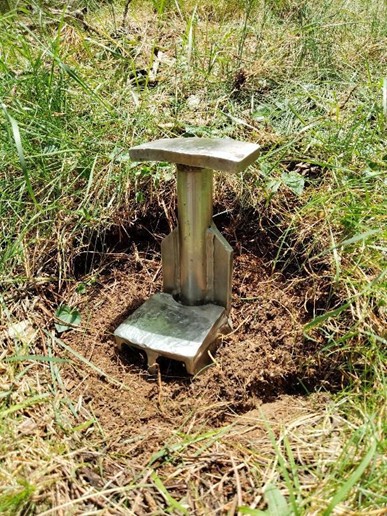
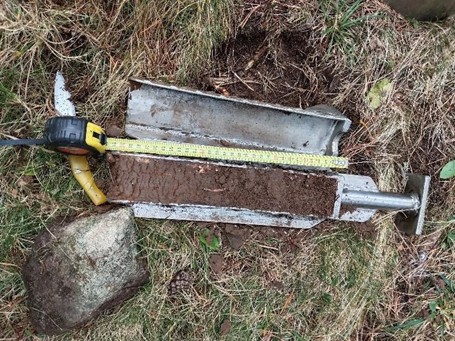
Organic C content is an essential soil property, as it determines its fertility, structure and water holding capacity. Also, soil C accumulation contributes to climate change mitigation. The impact of fire on mineral soil C mostly depends on the intensity of fire. The direct effect (driven by high temperatures) is usually restricted to the first few centimetres of soil or could even be negligible in low-intensity fires that affect only the organic layers. Due to the high variability of soil organic C and the inertia of its dynamics, this method is generally not recommended for detecting short-term variations (< 5 years).
Long-term indirect effect is driven by changes in the leaf- and root-litter C inputs and changes in environmental conditions that cause shifts in mineralisation rates of organic matter. The accumulation of char or partially charred materials, which are recalcitrant to decomposition, could cause an increase in C stability.